
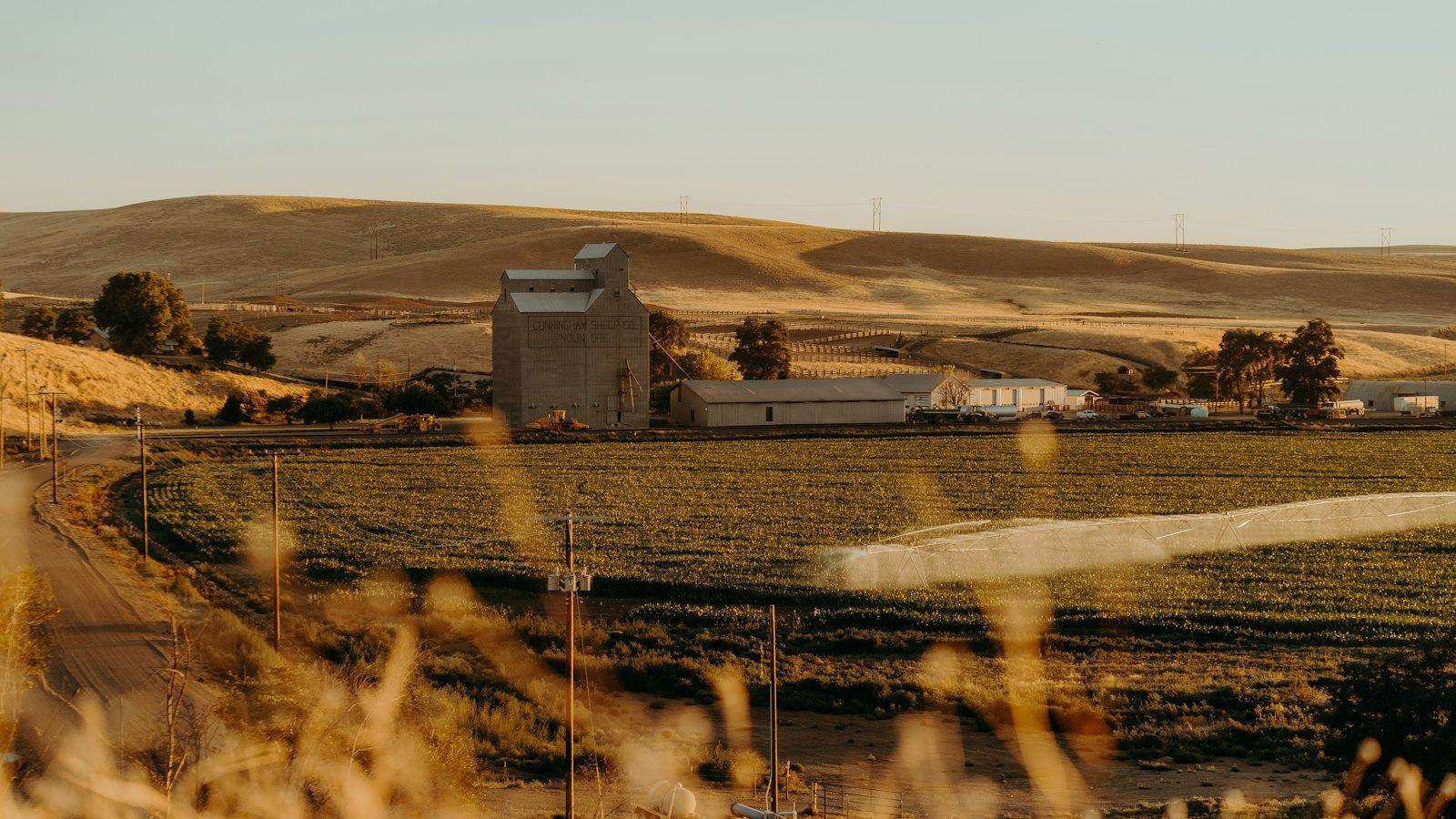
Winter Stored Grain: Price the Carry and Protect People
Pair a stored-grain cost worksheet with non-entry monitoring, condition records, and a clear escalation plan for winter problems.
The question
What does holding grain through winter cost, and how should I monitor safely?
Holding grain is a new decision each time you review it, not a promise that a later bid will cover the carrying cost. Pair the financial worksheet with a condition log and a non-entry safety plan. A marketing target never justifies entering a bin or improvising around grain that will not flow.
Count costs that change if you keep holding
Iowa State's Cost of Storing Grain identifies inventory interest, extra drying, shrink, handling, and quality deterioration among storage costs. For an existing farm bin, distinguish sunk ownership costs from expenses caused by holding this particular lot longer. Commercial storage charges still matter when they are avoidable by selling. Keep a separate full-cost view for long-run investment decisions rather than charging existing depreciation twice in a short-run marketing worksheet.
Consider a hypothetical USD 5.00-per-bushel inventory value, a 6 percent annual financing assumption, and 90 additional days. Simple interest is 5.00 times 0.06 times 90 divided by 365, about USD 0.074 per bushel. Adding assumed costs of 0.04 for storage or aeration, 0.02 for handling, and 0.03 for shrink and quality gives about USD 0.164. These are illustrative assumptions, not quotes, rates, or expected losses.
Maintain a condition record without entering
Iowa State's January 4, 2023 winter guidance recommends regular checks, preferably at least every two weeks, with more frequent attention to poor-quality grain. Adapt the schedule with a local storage specialist to the crop, moisture, equipment, and known condition. Use installed sensors and observations available from safe ground-level positions. Record timestamps and trends; one apparently normal reading cannot prove that the whole grain mass is sound.
Set an escalation rule before trouble appears. A rising temperature trend, suspected spoilage, or blocked unloading belongs in a call to a qualified grain-storage professional, not an improvised physical inspection. Missing sensor data means condition is unknown, not unchanged. Keep the lot's moisture records, aeration history, and prior warnings together so the specialist can assess the situation without a family member climbing up to gather another reading.
Make safety an independent decision gate
OSHA describes engulfment, collapsing grain bridges, machinery, hazardous atmospheres, and falls as serious grain-handling hazards. Do not enter a bin, walk on grain, climb for this checklist, or try to break a bridge or clear a blockage yourself. This guide is not an entry procedure. Keep people away from the hazard and arrange qualified assistance under the site's safety program; in an emergency, call emergency services rather than attempting an untrained rescue.
For the marketing review, compare a confirmed net sale opportunity with the additional carrying cost and the lot's condition risk. Replace the hypothetical worksheet inputs with documented local terms and your own financing cost. Assign a review date and a person responsible for checking the non-entry log. If reliable monitoring or safe handling is unavailable, escalate that constraint rather than treating a higher hoped-for price as permission to continue as usual.
Read this first
What matters now
-
A later bid must be evaluated against additional carry costs.
-
Unknown grain condition is not evidence of stable condition.
-
Safety limits apply regardless of the marketing target.
Before the next call
What to check
-
Separate avoidable holding costs from existing ownership costs.
-
Check sensor timestamps and previous condition warnings.
-
Confirm a non-entry monitoring and professional escalation plan.
Decision support
Practical next moves
-
1
Replace example assumptions with documented local costs.
-
2
Assign an owner and date for the next condition review.
-
3
Refer blockages and suspected spoilage to qualified help.
Evidence ledger
Sources
-
Iowa State University: Cost of Storing Grain
Updated May 2023; storage cost components and incremental-cost distinction.
-
Iowa State University Extension: Winter stored grain management
January 4, 2023; condition monitoring, not a bin-entry procedure here.
-
OSHA: Grain Handling
Engulfment, machinery, atmosphere, and fall hazards.
Straight answers
Frequently asked questions
Does the example predict a profitable storage return?
No. It only illustrates additional cost arithmetic; neither the later selling price nor the grain's future condition is known.
Should I enter a bin to investigate a warning?
No. Keep people away and contact qualified grain-storage professionals. This checklist does not authorize entry or blockage clearing.
How this was built
A field note, not a forecast dressed as certainty.
GrainBrief starts with named releases, notes the market and regional frame, and turns the evidence into questions a buyer or operator can verify locally. We do not hide source cadence or present a national benchmark as a local bid.
- Reporting lens
- seasonal
- Primary audience
- Farm operators reviewing winter grain inventory and storage decisions
- Sources cited
- 3
- Published
- 2026-11-24
Keep checking the signal
GrainBrief tools and market pages
Your local read