
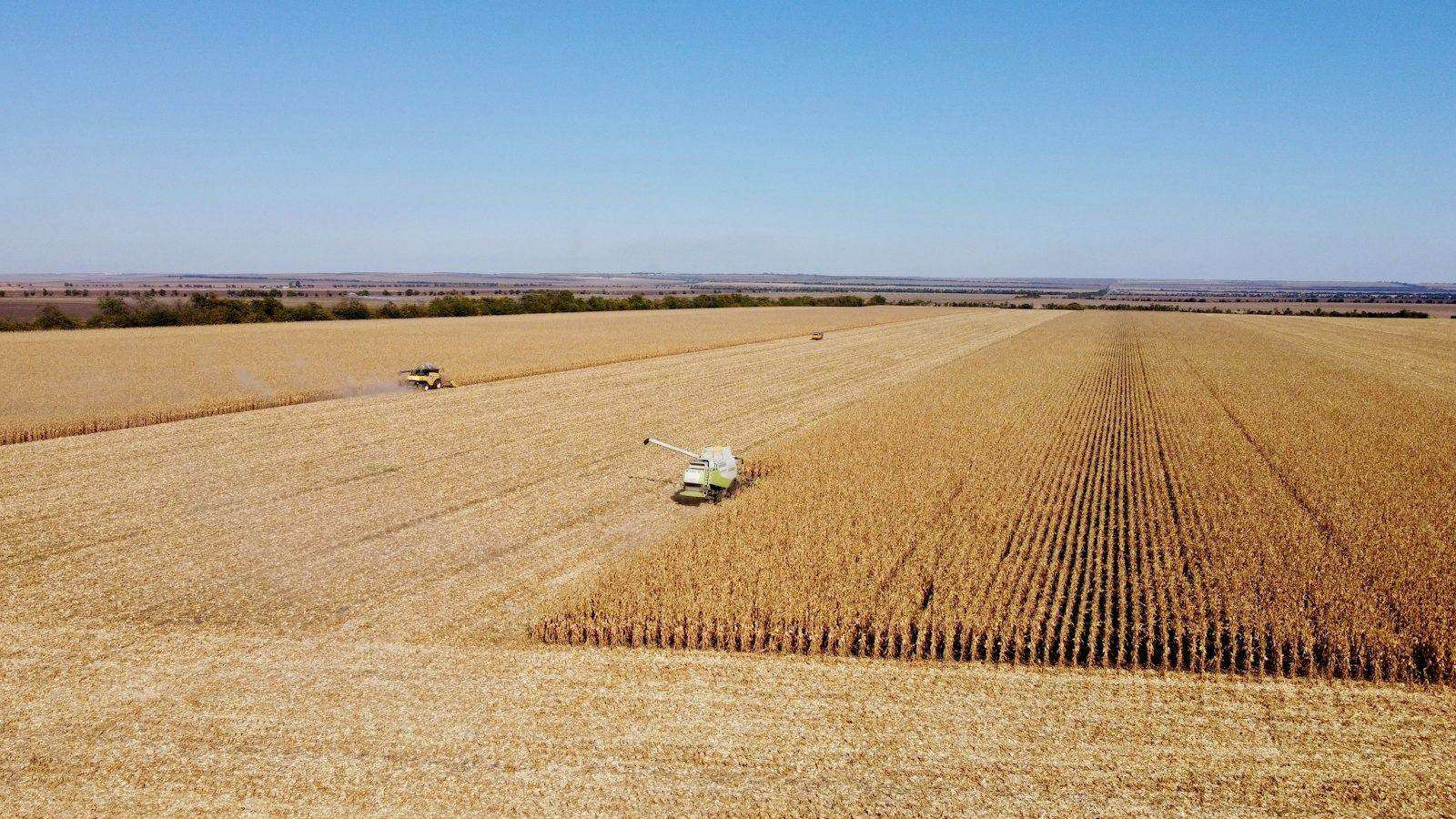
Prairie Wheat Basis: Check the CAD and USD Convention
Compare Prairie wheat offers by currency convention, futures reference, grade, protein, and delivery terms before ranking basis numbers.
The question
How do I compare wheat basis when cash and futures use different currencies?
Two Prairie wheat basis numbers can look comparable while encoding different currency treatments. Before deciding which buyer is stronger, request the cash bid, futures reference, currency convention, and delivery window together. A basis label without that information is not a reliable ranking of the offers available to your farm.
Ask where currency enters the price
Alberta's wheat basis guide explains that buyers may report basis against USD futures without first converting those futures to CAD, while other calculations use currency-adjusted futures. The conventions are not interchangeable. Ask whether basis is added before or after conversion, what exchange-rate direction is used, and when that rate becomes fixed. Record the buyer's written formula rather than inferring it from the currency symbol on a bid screen.
The province's general basis guide defines basis as cash minus futures and explains that buyers can roll their reference futures months on different dates. Put the contract month and exchange beside every observation. A change in the displayed basis after a roll may reflect the futures spread, not a new local buying incentive. Compare matched references before attributing that change to local supply or demand.
Build a common-currency worksheet
Use this explicitly hypothetical example: cash wheat is CAD 11.00 per bushel, matching futures are USD 8.00 per bushel, and the assumed exchange rate is CAD 1.25 per USD 1.00. Converted futures equal CAD 10.00; the common-currency basis is CAD 1.00 per bushel. These round numbers demonstrate units only. They are not current cash bids, futures settlements, or a usable foreign-exchange quote.
A buyer-style display using the unconverted numbers might show 3.00, the numerical difference between 11.00 and 8.00. That is not the same measure as the CAD 1.00 currency-adjusted result. Preserve the original display and label its convention alongside your normalized comparison. Do not convert an already adjusted component again. Ask the buyer to demonstrate final cash settlement from its own formula before signing a basis contract.
Match quality and the delivery window
Next, match wheat class, grade, protein specification, weight unit, and delivery period. Alberta notes that wheat grades and protein premiums complicate comparisons. Keep freight, cleaning, grading discounts, and any other deductions visible rather than hiding them inside an unexplained basis adjustment. A stronger displayed number at a distant location may not produce the better net return for the same load after the relevant charges are included.
End with a call sheet that asks each buyer to confirm the cash amount for your specification, the deductions still uncertain, and which currency exposure remains open. Date the confirmation and set a review before the offer expires. Compare net cash outcomes on the same assumptions, not isolated basis labels. This workflow supports a local conversation; it does not establish that either currency or wheat prices will move in your favour.
Read this first
What matters now
-
Currency-adjusted and unadjusted basis displays differ.
-
Match the futures month before comparing buyer numbers.
-
Quality and deductions belong beside the net cash result.
Before the next call
What to check
-
Confirm CAD per USD versus USD per CAD exchange notation.
-
Check whether currency adjustment has already been applied.
-
Match wheat class, grade, protein, and delivery period.
Decision support
Practical next moves
-
1
Request the buyer's written cash-settlement formula.
-
2
Preserve original bids beside common-currency calculations.
-
3
Compare net delivery proceeds with the same deductions.
Evidence ledger
Sources
-
Government of Alberta: Basis - How cash grain prices are established
Basis definition, local factors, and futures-reference rolls.
-
Government of Alberta: Wheat basis levels
Different wheat currency conventions; historical examples are not current quotes.
Straight answers
Frequently asked questions
Is a larger quoted basis always better?
No. Compare currency treatment, futures month, quality, delivery, and deductions before ranking the resulting net cash offers.
Does a basis contract remove currency exposure?
Do not assume so. Ask how the buyer fixes exchange and futures components and confirm which exposures remain open.
How this was built
A field note, not a forecast dressed as certainty.
GrainBrief starts with named releases, notes the market and regional frame, and turns the evidence into questions a buyer or operator can verify locally. We do not hide source cadence or present a national benchmark as a local bid.
- Reporting lens
- regional
- Primary audience
- Prairie wheat growers and grain buyers comparing delivery offers
- Sources cited
- 2
- Published
- 2026-11-20
Keep checking the signal
GrainBrief tools and market pages
Your local read