
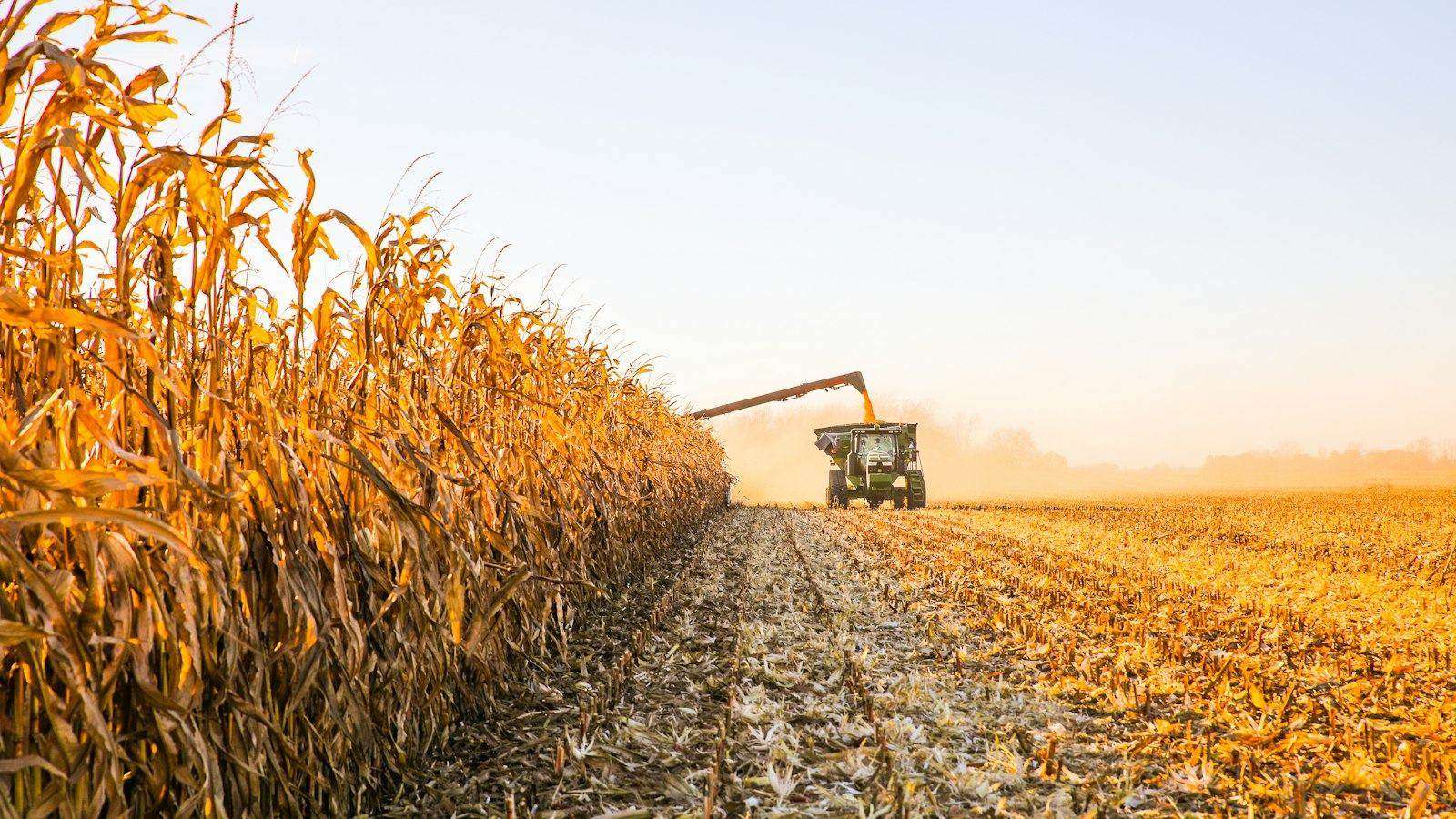
Harvest Production Records: Organize Evidence Before a Crop-Insurance Conversation
A practical seasonal field note with US and Canada context on harvest production records: what to compare, which official sources to open, and which limits to keep visible.
The question
Which harvest records should be organized for crop-insurance reporting?
Begin with one dated worksheet and record group production evidence by unit, crop, field or storage destination, date, measurement method, and source document. That makes assumptions visible before the next call or operating decision. Keep this limit in view: policy terms and reporting requirements are specific; confirm them with the insurer or authorized agent.
Read this first
What matters now
-
Make the comparison apples-to-apples by documenting group production evidence by unit, crop, field or storage destination, date, measurement method, and source document.
-
Keep every cited number tied to its unit, geography, reference period, release date, and revision state.
-
Use the result to ask a better local question, not as a prediction; policy terms and reporting requirements are specific; confirm them with the insurer or authorized agent.
Before the next call
What to check
-
Check that the comparison uses like units, locations, and delivery or reference periods.
-
Check each official release date and whether the underlying value is preliminary, revised, suppressed, or missing.
-
Check that the decision record states this limitation: policy terms and reporting requirements are specific; confirm them with the insurer or authorized agent.
Decision support
Practical next moves
-
1
Create a dated worksheet and record group production evidence by unit, crop, field or storage destination, date, measurement method, and source document.
-
2
Attach the exact official releases used, including their reference periods and revision notes.
-
3
Assign an owner and recheck date before using the comparison for an operating decision.
Evidence ledger
Sources
Straight answers
Frequently asked questions
Which harvest records should be organized for crop-insurance reporting?
Build a dated comparison that records group production evidence by unit, crop, field or storage destination, date, measurement method, and source document. Keep the source period and units visible, and remember that policy terms and reporting requirements are specific; confirm them with the insurer or authorized agent.
What should be verified before using this Harvest Production Records comparison?
Verify the official provider, dataset or report, geography, unit, observation period, publication date, cadence, and revision status. For this topic, policy terms and reporting requirements are specific; confirm them with the insurer or authorized agent.
Does this Harvest Production Records framework make a price or outcome prediction?
No. It organizes group production evidence by unit, crop, field or storage destination, date, measurement method, and source document so assumptions and evidence can be reviewed. It does not promise a price, yield, margin, delivery result, or individualized recommendation.
How this was built
A field note, not a forecast dressed as certainty.
GrainBrief starts with named releases, notes the market and regional frame, and turns the evidence into questions a buyer or operator can verify locally. We do not hide source cadence or present a national benchmark as a local bid.
- Reporting lens
- seasonal
- Primary audience
- Farm operators and agricultural teams preparing the next seasonal decision
- Sources cited
- 3
- Published
- 2026-10-30
Keep checking the signal
GrainBrief tools and market pages
Your local read